
Agentic AI Is Taking Over Marketing Execution: What Every Digital Marketer Needs to Know in 2026
best digital marketer in kerala
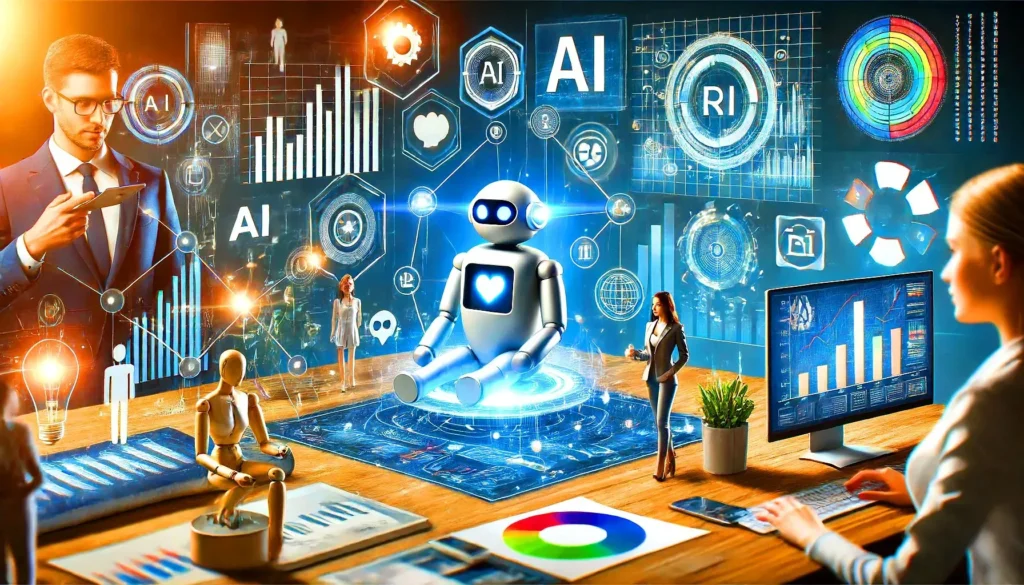
what is agentic ai actually means
As a best digital marketer in kerala Marketing has never just been a blend of strategy and execution. “Automation” in marketing for many years used to be about posting a Tweet ahead of time or creating a simple drip email campaign. Those days are behind us now.
The new face of marketing in 2026 will be that of agentic AI — machines that not only create content, but actually run complex workflows across multi-stage marketing campaigns with very little human intervention required. Where generative AI created the ability to create content faster, agentic AI will allow for the completion of tasks themselves.
Agentic AI is no future trend to watch out for in the field of digital marketing; it is already affecting jobs and daily operations within the industry.
It’s easy to lump every AI tool into one bucket, but there’s a real difference between generative AI and agentic AI:
GENERATIVE AI creates an output when you ask it to — a blog draft, an image, a subject line and AGENTIC AI takes a goal, breaks it into steps, executes those steps across tools and systems, checks the results, and adjusts — without you prompting every single move.
Think of the difference between asking an assistant to “write me three subject lines” versus telling them “run our weekly email campaign” and having them write the copy, test variations, pick a winner based on early performance, and schedule the send — on their own.
Where Agentic AI Is Already Showing Up
As a best digital marketer in kerala This isn’t theoretical. Marketing teams are deploying agentic workflows for tasks that used to eat entire afternoons:
Email marketing: AI agents are writing copy, generating subject line variants, A/B testing them automatically, and picking winners based on real engagement data — without a marketer manually building each test.
Paid ad creative: Instead of a designer manually producing five ad variations, agents generate dozens, test them against each other, and reallocate budget toward whatever’s converting — often within the same day.
Performance monitoring and budget shifts: Agents can watch campaign performance continuously and shift spend between channels or audiences in real time, something that used to require a human checking dashboards multiple times a day.
The throughline across all of these: marketers are being asked to design the system, not perform the task.
The New Role of the Marketer: Supervisor, Not Operator
This is the part that actually matters for your career, not just your workflow.
As agents take over execution, the marketer’s job shifts toward:
- Defining the workflows worth automating end-to-end — not partially automating, but actually removing manual steps entirely
- Setting the risk gates — deciding where human approval is non-negotiable, like final client-facing copy or anything touching regulatory or compliance claims
- Interpreting outputs and guiding strategy, rather than producing every asset by hand
As a best digital marketer in kerala The marketers who get the most value out of this shift aren’t the ones who resist it — they’re the ones who get good at directing these systems. Knowing how to brief an AI agent, what guardrails to put around it, and when to step in is quickly becoming as valuable as knowing how to write good copy yourself.
The Risk Nobody's Talking About Enough: AI Sameness
Here’s the catch. As more brands lean on the same handful of AI tools, a real problem is emerging: content starts to look and sound the same.
Surveys of marketers in 2026 show a real concern brewing — a large majority worry that AI-generated creative is eroding brand distinctiveness, and most have already noticed AI outputs that closely resemble what competitors are putting out.
This is the tension every marketer now has to manage: AI can produce content at a scale and speed no human team can match, but if you’re not deliberate about injecting brand-specific voice, data, and originality into the process, you risk blending into the noise instead of standing out in it.
The opportunity here isn’t “more content, faster.” It’s distinctive, brand-authentic creative that uses AI to enhance originality rather than flatten it.
New Roles Are Already Forming
This shift is visible enough that new job titles are starting to show up at fast-moving companies — roles blending growth marketing with AI workflow design, sometimes informally called things like “Vibe Growth Marketing Manager” or “full-stack marketer.” The common thread: these are people who can prototype, build lightweight AI-driven systems, and still think like a marketer about positioning, audience, and brand voice.
Whether or not that exact title sticks, the skillset it represents — strategic marketing instinct paired with the ability to design and supervise AI workflows — is becoming one of the most valuable combinations in the industry.
What This Means for You, Practically
If you’re a digital marketer wondering how to act on this rather than just read about it, a few starting points:
- Audit your repetitive workflows. Email versioning, basic ad variant testing, reporting — these are prime candidates for end-to-end automation, not half-measures.
- Define your approval gates now. Decide, in advance, which outputs always need a human eye (legal/compliance claims, anything client-facing) so you’re not improvising under pressure later.
- Build a brand voice “anchor.” Whether it’s a detailed style guide, proprietary data, or a distinct point of view, make sure whatever AI touches still sounds unmistakably like you — not like everyone else’s AI output.
- Get hands-on with at least one agentic tool. Reading about agentic AI and actually directing one are very different skills. The learning curve is real, and starting early is an advantage.
As a best digital marketer in kerala Marketing in 2026 isn’t about whether you use AI — virtually everyone does at this point. It’s about whether you’re directing it with intention, or just letting it run and hoping the output holds up. The marketers who treat AI agents as a system to architect, not a shortcut to lean on, are the ones who’ll come out ahead.